
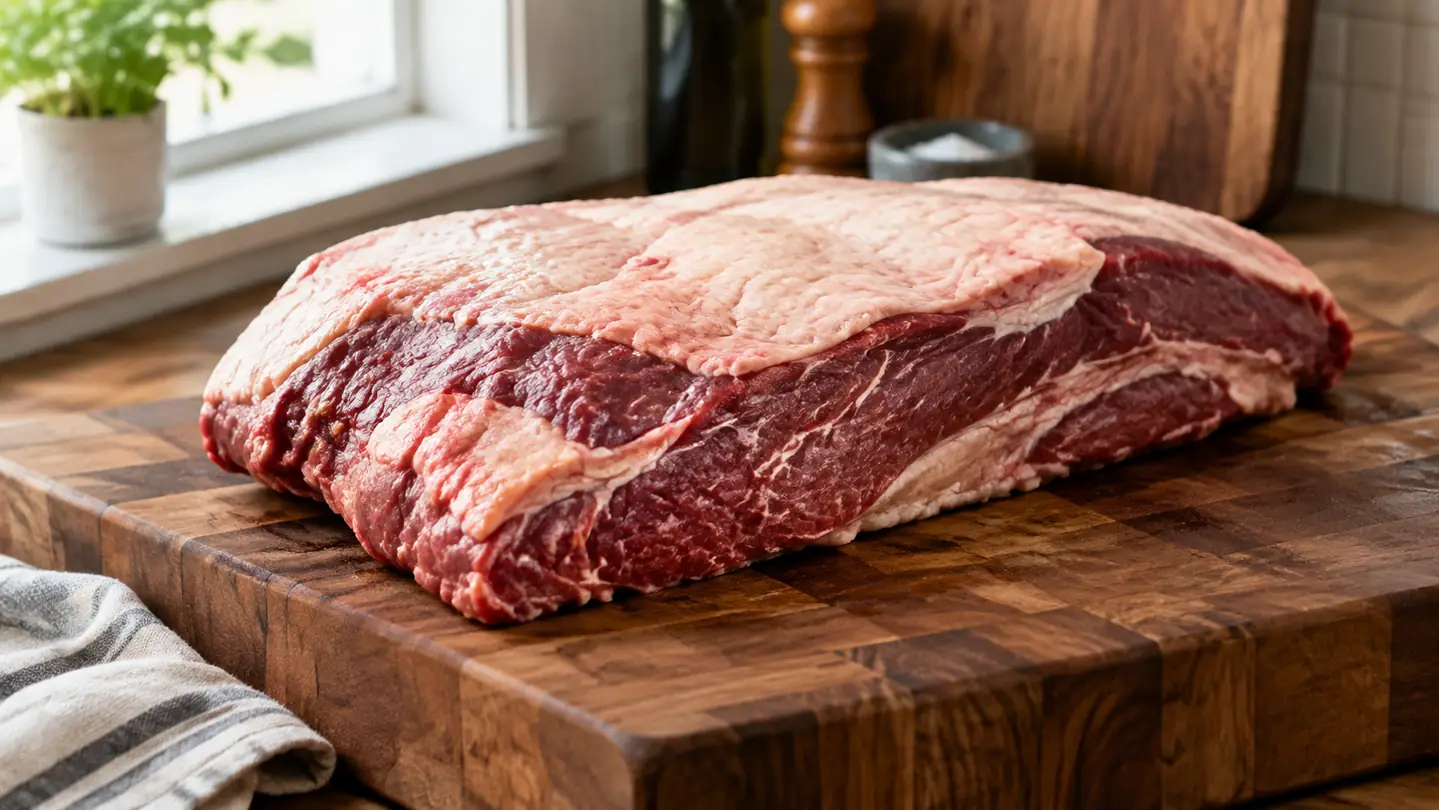
I have been cooking seriously for thirty years, and for most of that time I bought knives the way a lot of people do: one at a time, cheap, and then I would wonder why I was fighting a pork shoulder with a blade that could not hold an edge past the first weekend. Last fall my son talked me into a real butcher set, the COOLINA Meat Lover 4-Knife Set, four hand-forged high-carbon blades, and I have used it nearly every weekend since. This is the long review I wish somebody had written before I handed over my card.
It is not the kind of set you impulse buy. It is built for people who break down whole birds and big cuts themselves, and it asks for more care than a dishwasher-safe stamped knife. I will get to that. But after a year of brisket, pork shoulder, whole chickens, and a pile of Sunday roasts, I have a clear picture of what it does well and where it will rub you wrong.
The Quick Verdict
Hand-forged high-carbon steel that takes and keeps a serious edge, four blades that cover everything from brisket to trimming, and a care routine that is the only real catch. Buy it if you do real butchery at home. Skip it if you want set-and-forget.
Amazon Check Today's Price →Four hand-forged blades that still bite after a year of Sunday roasts
The COOLINA Meat Lover set has been on my magnetic strip for a year now. Check today's price on Amazon and read the current owner reviews before you decide.
Amazon Check Today's Price on Amazon →How I've Used It
The set arrived about thirteen months ago, and I put it to work the same weekend on a pork shoulder I normally had to wrestle with a stamped chef's knife that flexed and skated. Since then it has handled everything the house throws at it: briskets in the smoker, whole chickens, racks of ribs, and a couple of deer backstraps Bill traded me after hunting season. My wife has claimed the mid-size blade for everyday prep, and it has become her default knife, which is the highest compliment anything in my kitchen gets.
I keep them on a magnetic strip above the counter instead of the block they arrived in, because the block eats counter space I do not have. They get hand washed and dried immediately after every cook, and I give the blades a light coat of oil about once a month. That sounds like a chore, and it is. It is also the price of high-carbon steel, and I will explain in a minute why I think it is worth paying.
In a year I have sharpened these knives three times on a whetstone, and that is the number that changed my mind about cheap kitchen steel. My old knives needed a steel every single time I cooked and a full sharpening every couple of months. These hold an edge in a way I did not believe until I lived with them.
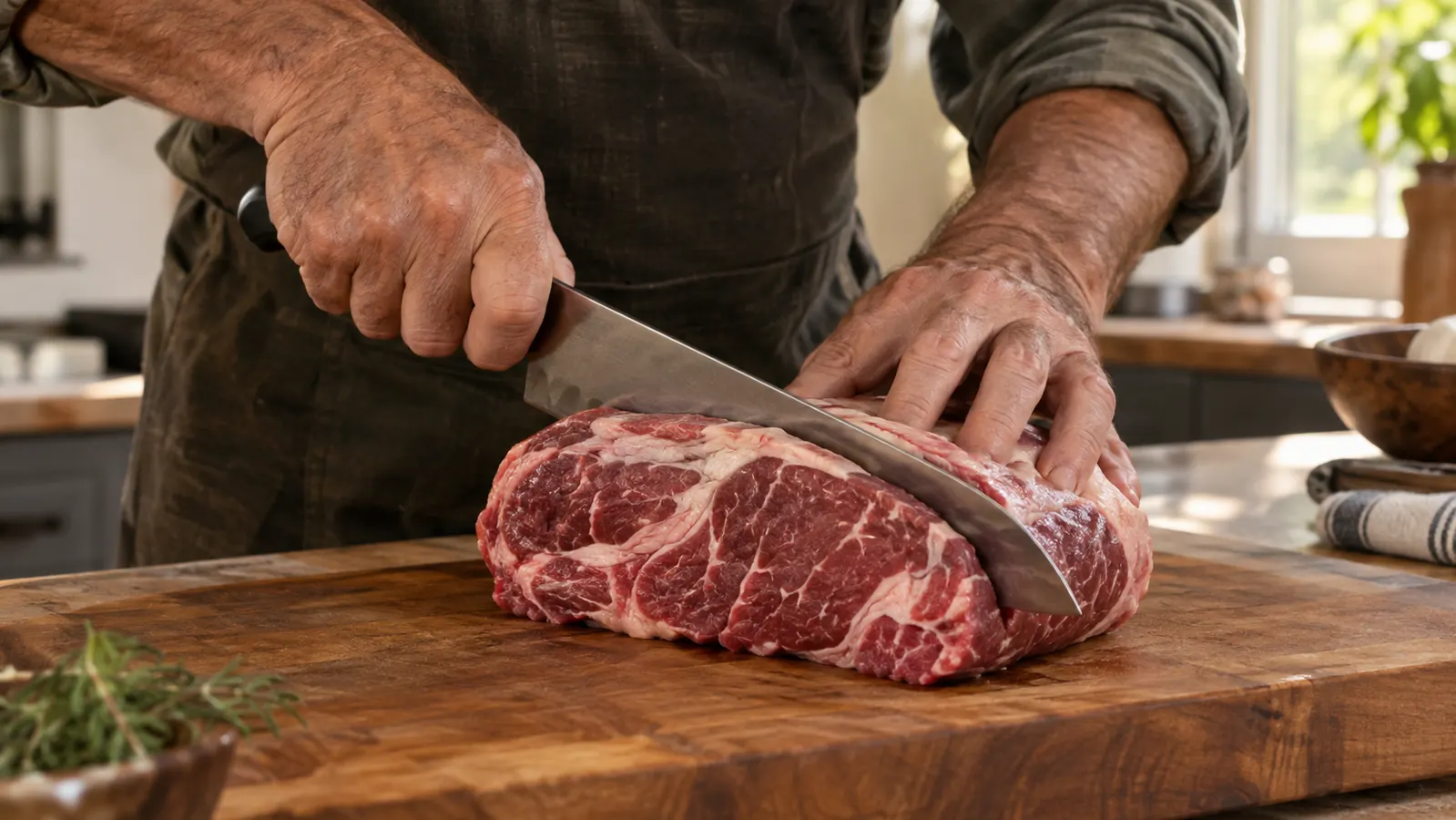
The Steel, the Forge, and What Hand-Forged Buys You
The short version is that high-carbon steel takes a finer, sharper edge than the soft stainless used in most stamped knives, and it holds that edge longer. The tradeoff is that it will rust if you treat it badly. The COOLINA blades are hand-forged, which means the steel is heated, hammered, and shaped by a smith instead of punched out of a sheet. That process changes the metal in a way stamping does not, and it shows up in how long the edge lasts.
Here is the practical difference I noticed in week one. A stamped knife flexes under pressure and dulls against the board. These are stiffer, heavier per inch, and they bite into a brisket instead of skating over it. The edges came from the factory sharp enough to shave, which genuinely surprised me, because most sets ship with a working edge you will want to refine before you trust it.
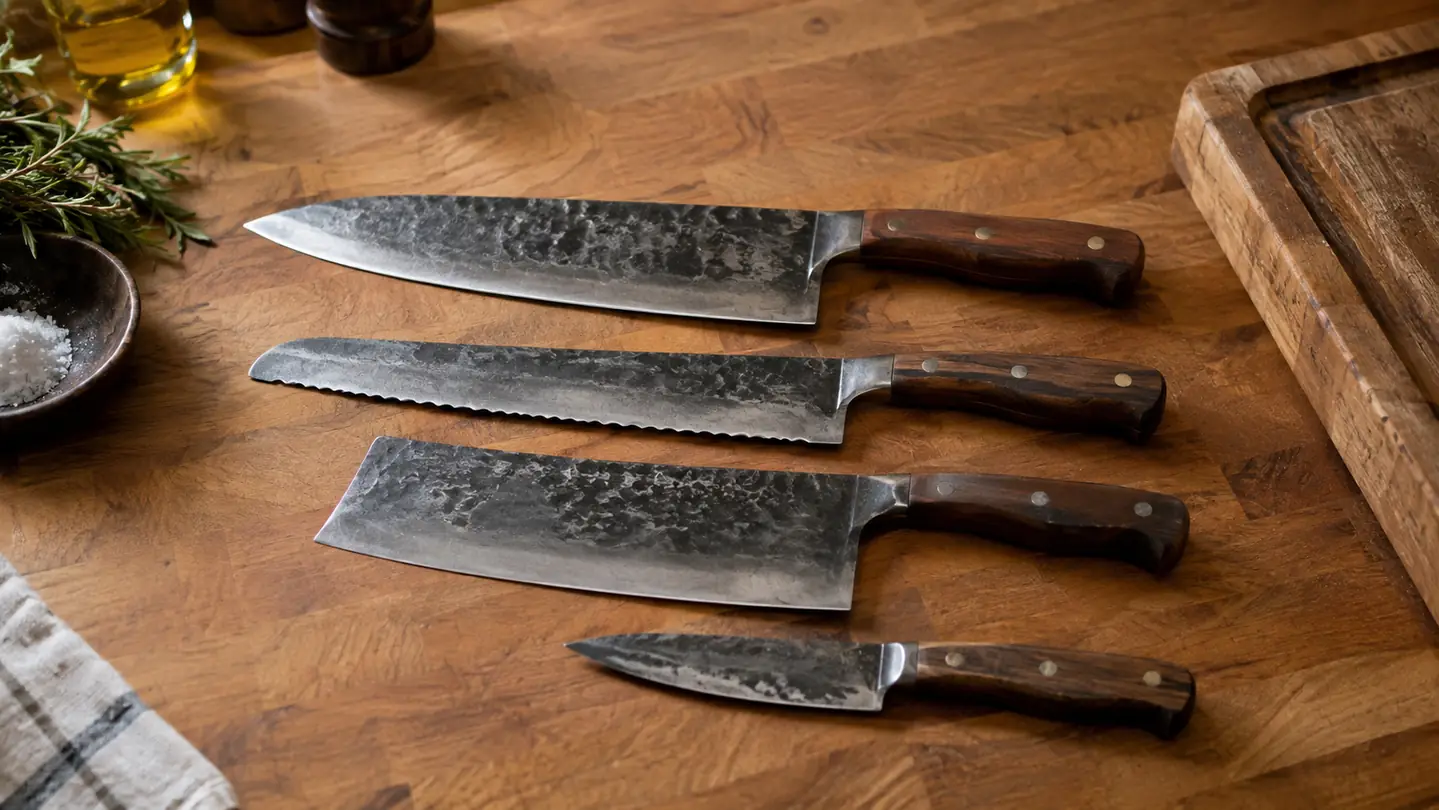
The set covers four roles: a heavy blade for breaking down big cuts, a mid-size workhorse for slicing and everyday prep, and a couple of smaller blades for trimming fat and detail work. I have not reached for the knife drawer for anything else in months. That is the real test of a set, whether the knife you need is always the one in your hand.
Sixteen Months of Brisket, Pork Shoulder, and Whole Chickens
A whole chicken used to mean a dull knife and a mess on my counter. With the heavy blade I split the backbone in one clean cut and the bird opens like a book. Boning out the thighs and legs takes about ninety seconds, and the thin blade follows the joint without mangling the meat. That is the kind of thing you only appreciate after years of doing it the hard way.
For brisket, the mid-size blade is the one I trust. It glides through the flat, handles the point without tearing, and the weight of the blade does the work so my wrist does not have to. After a year of this I notice the difference in my hands, and I did not ask for it. The blade profile keeps the steel from wedging in thick cuts, which is the failure I fought with cheaper knives.
The handles are comfortable through a long cook, with a grip that holds even when everything is greasy. I have older hands and a fair amount of arthritis from a lifetime of turning wrenches, and I can work a full brisket without my grip complaining. The balance sits forward, toward the blade, which is what you want for cutting rather than chopping, and it makes a difference on the third hour of a big cook.
For smoking, these are the knives I grab when the meat comes off the smoker. Hot brisket, hot pork butt, it all handles the same. The steel does not grab or tear like a flexible blade does, and the weight lets me slice through the bark without shredding it. If you smoke meat, you know how much that matters at the end of a long cook.
The Care Routine Nobody Mentions
Here is the honest part. High-carbon steel is not set-and-forget. These knives cannot go in the dishwasher, full stop. They need hand washing, drying right away, and a light coat of oil if you are not going to use them for a while. If you leave one wet in the sink overnight, you will find a rust spot in the morning. I have done it exactly once, and it came off with a steel wool pad and some elbow grease.
That maintenance is a real cost, and I am not going to pretend otherwise. For someone who wants a knife they can throw in the dishwasher and forget about, this is the wrong set, and I will say that plainly. But for someone who cooks the way I do, who breaks down whole animals and wants an edge that lasts, the care routine is the whole point. The steel rewards the attention.
Two more small notes. The set does not come with a built-in sharpener, so you will want a whetstone or at least a honing rod before you buy. And the blades are heavy enough that if you are used to featherlight stamped knives, the first week will feel like an adjustment. Give it that week. The weight is what makes the cut, and once you are used to it, everything else feels flimsy.
The Four Blades and How Each Earns Its Spot
I use the heavy blade for the jobs that used to scare me: splitting a chicken backbone, breaking down a pork shoulder, getting through a thick cut of beef. It does the work in one pass instead of three, and it has not chipped or rolled in a year of hard use. That is the blade I reach for when I want to feel like I am making progress.
The mid-size blade is the everyday hero, and the one my wife stole for vegetable prep and slicing. The smaller blades handle the trim work: silver skin off a rack of ribs, fat off a steak, detail cuts that a big blade is too clumsy for. Between the four of them, there is no cutting job in my kitchen that does not have a natural tool, and that is what a set is supposed to give you.
The heavy blade also does double duty as a general kitchen knife when the job calls for power. I have used it on squash, thick root vegetables, and a stubborn butternut that laughed at my old paring knife. It is not the right tool for delicate work, but it is the right tool for anything that fights back, and that covers a lot of a serious cook's week.
The Edge, Thirteen Months Later, and What I'd Change
The thing I keep coming back to is the edge. I sharpen on a whetstone, and I keep the angle shallow, and after three sessions in a year the blades still bite the way they did out of the box. My old knives would be dull by now, and I would be back to pressing down on a tomato until it squirted. That is the difference between carbon steel and the soft stamped stuff, and it is the reason I stopped reaching for a honing steel every cook.
I have put these blades through a hard year. Bones, joints, a frozen rack that I was too impatient with, a cutting board that is older than my marriage. The heavy blade has a couple of fine scratches in the finish, and the mid-size shows a tiny roll where I hit a bone one night. None of it affects the cut. That is what I mean when I say the steel is honest. It takes the abuse, and it keeps going.
No set is perfect, and I have three honest complaints. The block takes up more counter space than I have, which is why mine live on a magnetic strip. There is no sharpener in the set, so you are buying a whetstone or a honing rod on top of the knives. And the blades have no sheaths or guards, which means the magnetic strip is really your only safe storage option, and that is something to plan for before they arrive.
None of those are dealbreakers for me, and I would buy the set again tomorrow. But they are the kind of thing that is easier to know about going in, and a reviewer who left them out would not be doing you any favors. The COOLINA Meat Lover set is a serious tool, and it deserves a serious owner.
What I Liked
- Hand-forged high-carbon steel takes and holds a serious edge, three sharpenings in a year
- Four well-matched blades cover everything from breaking down a brisket to trimming silver skin
- Comfortable, grippy handles that do not fatigue older hands through a long cook
- Blade weight does the work, noticeably less wrist strain than stamped knives
- Factory edges arrived sharp enough to use immediately
Where It Falls Short
- High-carbon steel rusts if neglected, hand wash and dry only, never the dishwasher
- Requires monthly oiling and occasional whetstone work to stay in top shape
- Heavier than stamped knives, takes about a week to adjust
- No built-in sharpener included in the set
Three sharpenings in a year. My old knives needed the steel every single cook.
Who This Is For
This set is for the home cook who breaks down whole chickens, trims briskets, and wants a blade that keeps an edge without constant sharpening. It is for the person who does not mind a five-minute care routine because the payoff is a knife that actually cuts, every time, for months. If you cook meat seriously, even once or twice a week, this set will outwork whatever stamped knives you are using now, and it will still be going when the cheap ones are in a drawer somewhere.
My wife was skeptical for about a week, and then she stole the mid-size blade. My son, who cooks in an apartment with a tiny kitchen, borrowed them for a holiday and ordered his own set the next week. When a tool converts the people closest to me, that tells me more than any spec sheet.
Who Should Skip It
Skip this set if you want knives you can throw in the dishwasher, if your kitchen runs on convenience, or if you have never sharpened a blade and have no interest in learning. The rust will win if you cannot commit to hand washing and drying. Also skip it if most of your cutting is bread and soft produce, because these are purpose-built for meat, and there are lighter, cheaper options for general prep. The COOLINA Meat Lover set earns its keep on a cutting board full of protein, and that is exactly the job it is built for.
One more honest note. If you buy these and you are used to cheap stamped knives, the first month will test you. They need care, they are heavy, and they will punish you if you let them sit wet. But the people who complain about high-carbon steel are almost always the people who wanted a knife they never had to think about. That is a fair want, and it is just not what this set is.
Still on my strip after a year, and still the first thing I reach for
If you break down your own meat, this is the set to buy. The COOLINA Meat Lover set earns its keep on a cutting board full of protein. Check today's price on Amazon and see the current owner reviews.
Amazon Check Today's Price on Amazon →