
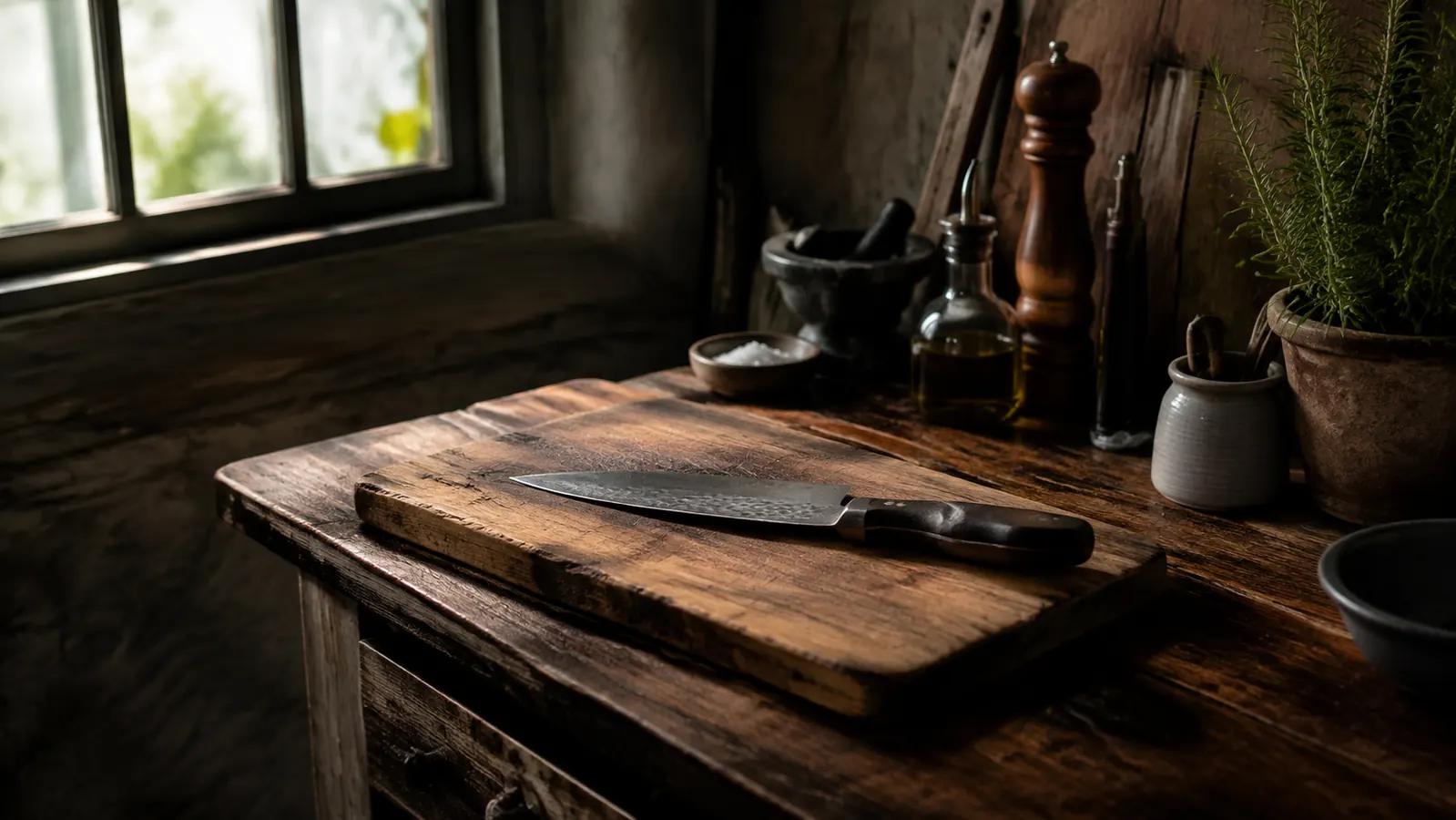
Every few years I convince myself the next block set will be the one that stays sharp. It never does. By month three the chef's knife is dragging through onions, and by month six I'm back to honing every single time I cook. So when I started looking at hand-forged butcher knives, I didn't care about the look. I cared about one thing: does the edge last? I bought the COOLINA Meat Lover 4-Knife Set for my own kitchen, and after breaking down briskets, whole chickens, and a few pork shoulders, I have ten honest reasons the edge holds longer than anything in my old block.
This is not a review written after one tomato. I have cooked seriously for about thirty years, and I use these knives for real work: trimming silver skin, separating ribs, and breaking down a whole brisket the way my neighbor Bill likes me to bring over when he smokes. The COOLINA set replaced four knives I had owned for a decade. The difference showed up in the first month.
Skip the Block Set. Start With Steel That Stays Sharp.
If you are tired of sharpening a chef's knife every two weeks, the COOLINA Meat Lover set is worth a hard look. It is the set I reach for on brisket day.
Amazon Check Today's Price on Amazon →How I Tested the Edge
I did not time how long a blade stayed sharp with a stopwatch, but I kept notes. Every Saturday for six months I broke down something: a whole chicken, a pack of pork ribs, a brisket flat. I used the same cutting board, the same stroke, and the same amount of care. Then I compared the feel of the edge to my old knives at the same point in their life. The difference was not subtle.
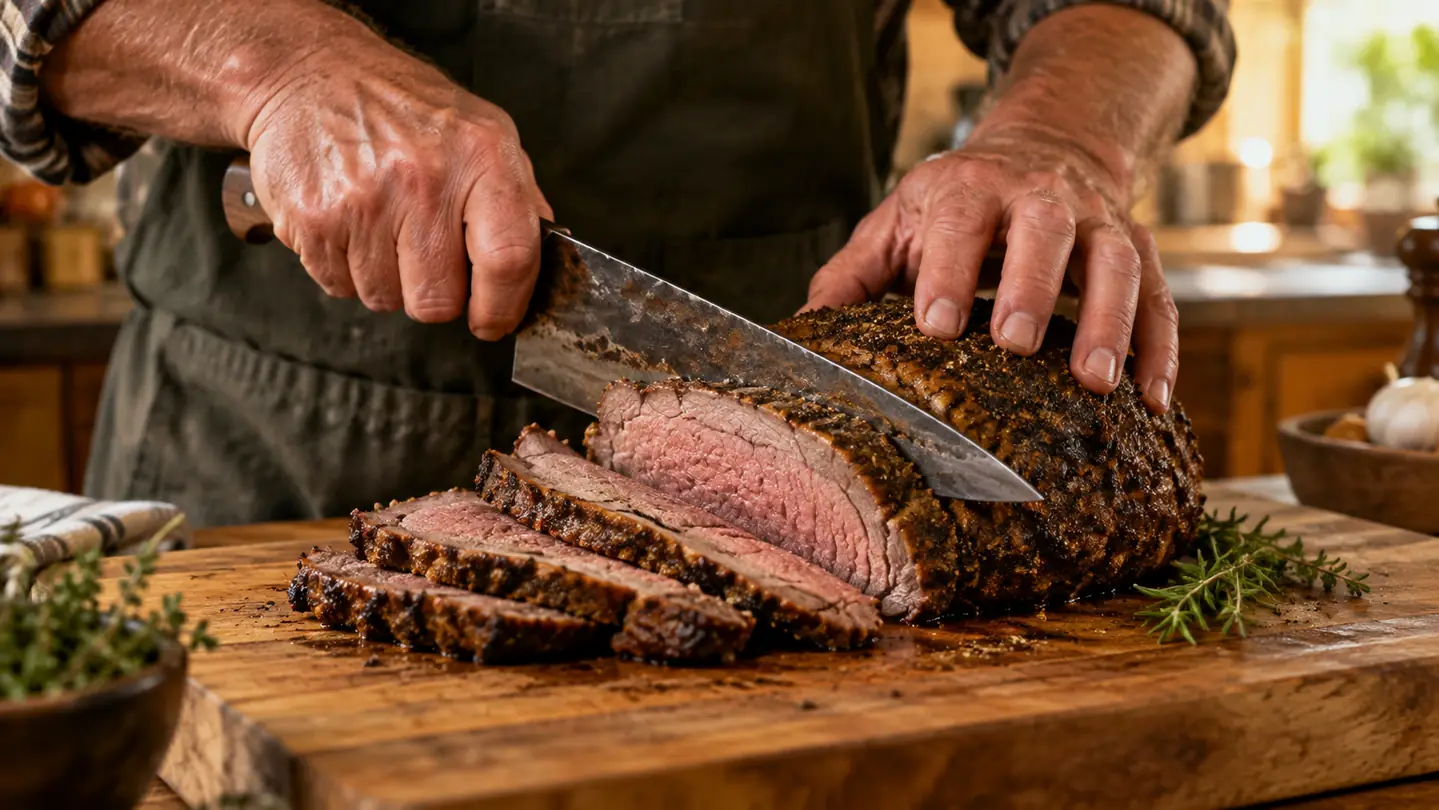
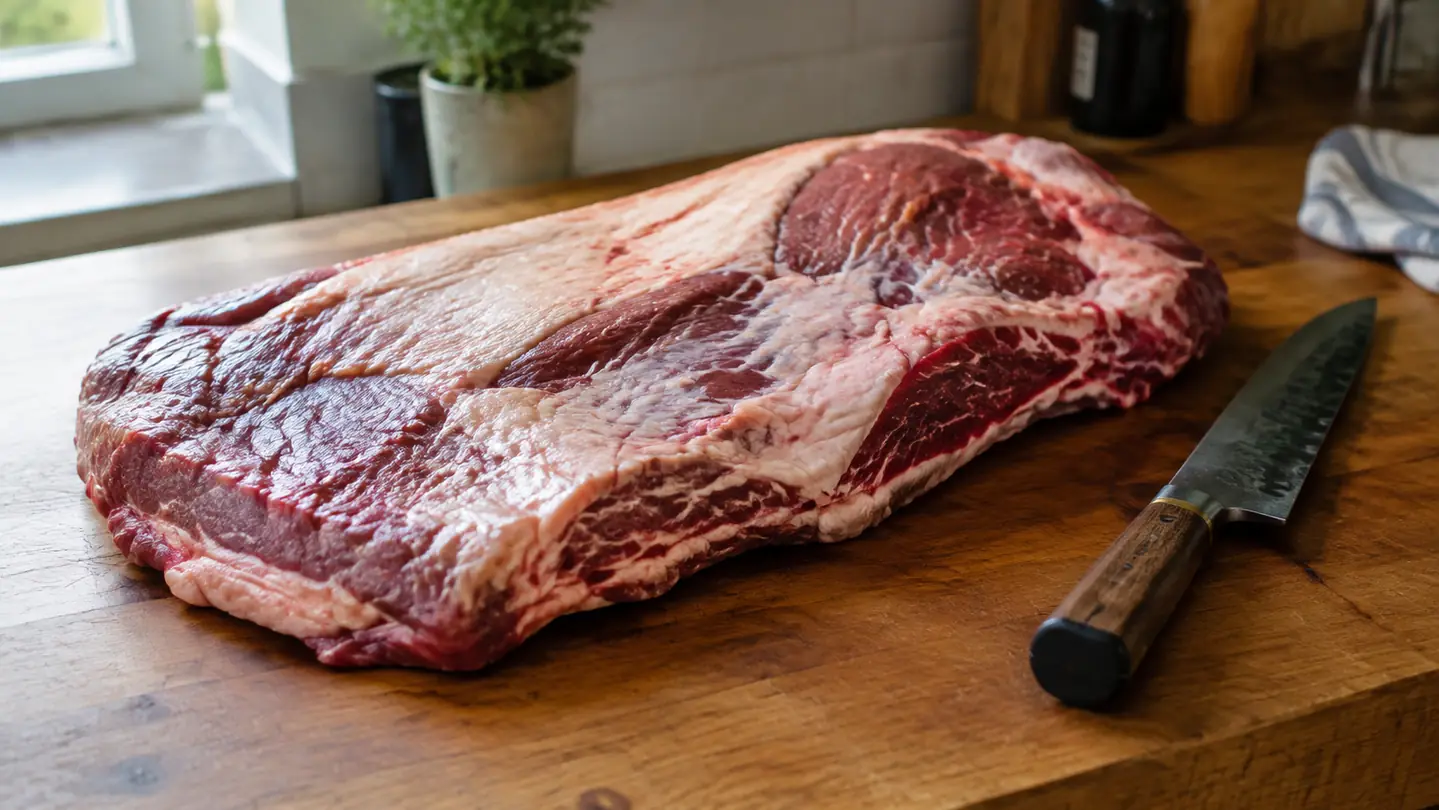
The test that convinced me was a whole brisket. My old chef's knife needed extra pressure by the time I reached the point. The COOLINA knife cut through the fat cap with clean, even strokes, and I did not reach for the honing steel once during that cook.
High-Carbon Steel Holds a Finer Edge
Most block-set knives are stamped from softer stainless steel. Soft steel is easy to mass-produce and slow to corrode, but it will not hold a fine edge. The COOLINA butcher knives use high-carbon steel, which takes a much sharper angle and keeps it. My old chef's knife felt sharp for a day. This one feels sharp for weeks.
Hand-Forging Aligns the Steel's Grain
A stamped blade is cut from a sheet, so the grain of the steel runs the same direction as the sheet. A hand-forged blade is heated and hammered, which aligns the grain along the edge. That is not marketing talk. It is why the edge resists rolling when it meets bone and cartilage. Forging takes time, and that is exactly why most cheap sets do not do it.
A Thicker Spine Adds Rigidity
A thin blade flexes. When a blade flexes, the edge wobbles and loses contact with the cutting board, which makes it dull faster. The COOLINA butcher knives have a noticeably thicker spine than my old set. The blade stays straight through a hard cut, so the edge does the work instead of the wrist.
Full Tang Keeps the Blade From Flexing
A full tang means the steel runs all the way through the handle. Knives with a partial tang or a molded handle can flex where the blade meets the handle. That flex point is where edges die. The full tang on this set gives the blade a solid backbone, and it also makes the knife feel balanced in hand.
The Edge Angle Is Set for Meat, Not for Show
Some kitchen knives are ground at a dramatic angle so they look sharp in the box. That thin edge folds over the first time it meets a bone. Butcher knives need a more durable edge angle because they are built for real work. The COOLINA set came with an edge that slices through brisket fat cleanly without chipping.
Harder Steel Resists Rolling
Hardness is not the same as sharpness. Hard steel holds an edge longer, but it is harder to sharpen when it finally dulls. The tradeoff is worth it for a butcher knife. The COOLINA blades stay true through a full brisket, and when they finally need attention, a few passes on a whetstone bring them back.
A Convex Grind Reduces Friction
Many stamped knives have a flat, hollow grind that wedges into the meat. A convex grind, like the one on this set, pushes the food away from the blade. Less friction means less pressure, and less pressure means the edge does not dull as fast. You feel it the first time you slice a raw pork shoulder.
Less Chromium Means Easier Sharpening
High-carbon steel has less chromium than stainless, which is why it can rust if you leave it wet. That is the honest downside. The upside is that the steel is easier to sharpen when the time comes. A knife you can actually bring back to razor sharp will hold an edge longer over its life than one you cannot.
Proper Heat Treatment Comes From a Real Forge
Steel composition matters, but heat treatment matters more. A blade that is heated and quenched properly keeps its edge; one that is rushed will not. Hand-forged knives come from a process where the maker controls that step. My experience with this set says the heat treatment is right: no rolled edges, no chipped tips, no soft spots.
They Respond to Honing Instead of Fighting It
The real test of an edge is how it acts after weeks of use. My old knives got to the point where honing did nothing. These blades actually respond to a few strokes on a steel, which means I can keep the edge alive between sharpenings. That is the practical reason the set has stayed on my counter.
After six months, the set has earned its spot. The blades still carry a working edge, the handles feel solid, and I have not once reached for my old block. That is more than I can say for any knife set I have owned.
The Tradeoff Nobody Mentions
The honest tradeoff is maintenance. High-carbon steel will stain and rust if you leave it wet, and it needs hand-washing and drying right away. My old stainless set could sit in the sink overnight. These knives cannot. If you are not willing to wipe a blade down after use, a hand-forged set will frustrate you. For me, two minutes of care is a fair trade for an edge that lasts months.
What I'd Skip
Do not buy this set if you only cook boneless chicken breasts and pre-cut vegetables. You will not use four butcher knives, and you will not enjoy hand-washing high-carbon steel after every meal. If you want one knife to slice a loaf of bread, this is not it. These are work knives for people who break down whole animals and large cuts. If that is not your kitchen, save the counter space.
I used to touch up my chef's knife every two weeks. I have sharpened the COOLINA butcher knife twice in six months, and it still slices through brisket fat without dragging.
If You Break Down Meat, This Set Earns Its Place
The COOLINA Meat Lover 4-Knife Set is the one I reach for on brisket day. See today's price on Amazon and decide for yourself.
Amazon Check Today's Price on Amazon →